
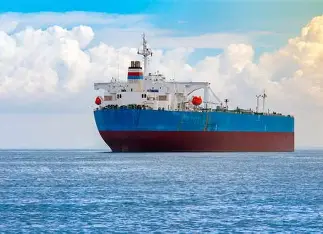
The Future of Maritime Logistics and Transportation
The maritime logistics and transportation industry, a vital pillar of the global economy, is undergoing a significant transformation. Driven by digital innovation, data-driven decision-making, sustainability initiatives, and evolving trade demands, the future of maritime operations is becoming more efficient, resilient, and environmentally responsible.
Advanced technologies are reshaping how shipping and logistics companies plan, manage, and execute operations. Digital platforms now enable better visibility, improved coordination, and smarter resource utilization across the supply chain.
Digital Transformation in Maritime Operations
Modern fleet and transportation management systems are revolutionizing operational workflows. These technologies provide real-time tracking, predictive maintenance insights, and improved voyage planning, helping organizations reduce downtime and enhance operational efficiency.
Data analytics and integrated management platforms allow stakeholders to collaborate seamlessly, ensuring transparency and faster decision-making across global operations.
“Information about cargo is just as critical as its safe and timely delivery.”
Smarter Logistics Management
Transportation management software is streamlining scheduling, documentation, and resource allocation. With features like real-time communication, document sharing, and performance monitoring, organizations can optimize costs while maintaining high service standards.
These innovations are enabling maritime companies to improve reliability, strengthen compliance, and deliver greater value to clients in an increasingly competitive global market.